01
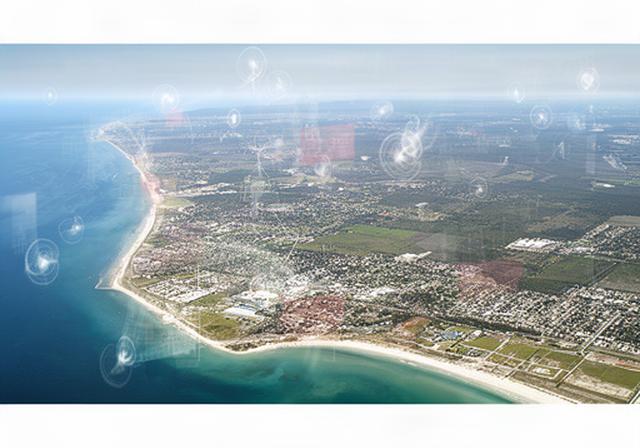
Town of Jupiter
Wastewater plant power
A 250 kW turbine was planned around the plant's operating profile, with a projected offset of 60% of facility electricity use.
Water infrastructure · 250 kW
H.R. Current partners with municipalities, counties, campuses, and public agencies to turn local wind resources into dependable power for essential places.
The project plan starts with the loads your residents depend on. Then we size the system around budget, land, and resilience goals.
Fixed energy rates can make long-range municipal budgets easier to plan and reduce exposure to fuel price changes.
Pair wind generation with storage so critical services have a stronger path to stay online during outages.
Give a climate action plan a visible asset that residents, staff, and local businesses can understand.
Construction and ongoing operations create skilled work while schools and campuses gain useful learning sites.
Your capital plan sets the pace. Our team maps the ownership, power, and service terms clearly.
The city owns the turbine while H.R. Current manages design, construction coordination, commissioning, and scheduled operations and maintenance.
Good fit: agencies with capital funding and a clear site near a large municipal load.
We compare rate terms, maintenance responsibilities, and approval steps before you select a model.
A 250 kW turbine was planned around the plant's operating profile, with a projected offset of 60% of facility electricity use.
Water infrastructure · 250 kW
A wind and storage plan supports a hurricane shelter microgrid, giving district leaders a stronger continuity option during severe weather.
Emergency readiness · Wind plus storage
A 5 MW wind farm partnership supplies power for municipal buildings and gives the city a clear public sustainability story.
Florida cities · 5 MW
Funding is easier to discuss when the technical scope, public benefit, and delivery schedule are written together.
Discuss Grant SupportWe can help frame a municipal application around renewable generation, critical facilities, and measurable energy savings. Potential sources include DOE municipal programs and USDA REAP, subject to current eligibility rules.
Our review identifies available state and utility incentives, then checks how they fit public ownership, tax status, procurement rules, and the project's expected production.
Green bonds, energy savings performance contracts, and public-private partnerships can spread project costs while keeping responsibilities visible to commissioners and residents.
Set up an exploratory call with our public sector wind team. We can prepare a focused presentation for your city council or commission.